Dog Training Tips: Beginner to Advanced
Most training problems come down to timing and consistency, not the dog. This guide covers positive-reinforcement fundamentals and the specific protocols for reactivity, potty training, and separation anxiety.
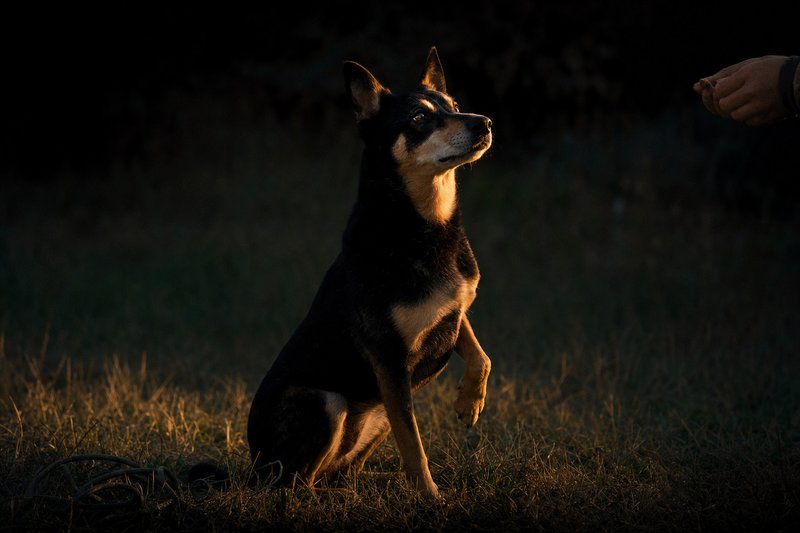
How to train a dog comes down to a smaller set of principles than the sheer volume of training content online would suggest. Dogs learn through consequences that follow their behavior closely in time. Make the behavior you want produce something good, quickly and consistently, and it strengthens. Make an unwanted behavior produce nothing interesting, and it weakens. Almost every specific technique in this guide, from a basic sit to managing leash reactivity, is an application of that one mechanism.
What follows moves from the foundations every dog needs, through the core commands, into the specific problem areas that generate the most search traffic and the most frustrated owners: potty training, crate training, reactivity, aggression, and separation anxiety.
The Foundations: How Dogs Actually Learn
Positive reinforcement means adding something the dog wants immediately after the behavior you want, most commonly a small food reward, sometimes praise or play for a dog that's less food-motivated. Timing matters more than most owners expect: a reward delivered more than two or three seconds after the behavior is far less effective at building the association, because the dog has likely already moved on to something else mentally.
A marker word or a clicker solves the timing problem by marking the exact moment the dog did the right thing, with the actual reward following a second or two later. The marker becomes a reliable signal that something good is coming, which lets you reinforce precisely even when delivering the treat itself takes an extra moment.
Consistency across the household matters as much as any individual technique. A dog that gets away with jumping on the couch when one person is home and gets corrected for it by another learns that the rule is inconsistent, which slows learning across the board, not just for that one behavior.
Core Commands Every Dog Should Know
Sit
Hold a treat near the dog's nose and move it slowly up and back over their head. Most dogs will naturally lower their rear to the ground to keep tracking the treat with their eyes. Mark and reward the instant their rear touches the ground, then add the verbal cue "sit" once the physical prompt is reliably producing the behavior.
Stay
Stay is duration training, not a new behavior on top of sit. Ask for a sit, wait one second, reward. Gradually extend the duration before rewarding, then add distance, then add distraction, one variable at a time. Adding all three at once (duration, distance, and distraction) is the most common reason "stay" training stalls.
Come (Recall)
Recall only works long-term if coming to you is always, without exception, a good experience for the dog. Never call a dog to you for something unpleasant (a bath, nail trims, being put away when the fun is over) without pairing it with something rewarding, or the dog learns that "come" sometimes means the fun stops, and reliability drops fast.
Leave It
Start with a low-value item under a closed hand. The dog will sniff, lick, and paw at the hand; the instant they pull back or look away from the hand, mark and reward from your other hand, not the one they were investigating. This teaches the dog that disengaging from the item produces the reward, which is the actual mechanism "leave it" runs on.
Equipment That Actually Helps (and What to Skip)
A flat collar and a four- to six-foot leash cover most walking situations for a dog that isn't pulling hard or reactive to other dogs. For a dog still learning loose-leash walking, a front-clip harness gives you more steering control than a collar without the choking risk of a slip lead pulled tight; the front clip turns the dog slightly toward you when they pull, which discourages the pulling itself rather than just restraining it.
Retractable leashes are worth skipping for training purposes. The thin cord gives almost no ability to guide the dog, the sudden stop-and-lock mechanism can startle a dog into a bad association with the leash itself, and thirty feet of cord is unmanageable around other dogs or in tight spaces. A long line (a flat 15- to 30-foot leash, not a retractable) is the better tool when you actually need distance, for recall practice in an open field or for a dog still building reliability off-leash.
A treat pouch that clips to your waistband matters more than it sounds like it should: fumbling in a pocket for a treat costs you the one- to two-second reward window that makes marker training work at all. Cut treats small, roughly pea-sized for a medium-to-large dog, so the dog can eat and refocus in under a second instead of chewing for ten seconds and losing the thread of what's being trained. A clicker is optional; a consistent marker word works just as well for most owners and doesn't require a free hand holding a separate tool.
Potty Training: A Step-by-Step Timeline
Puppies generally can't reliably hold their bladder for longer than roughly one hour per month of age until they're around six months old, so a three-month-old puppy needs an outdoor opportunity roughly every three hours, not once every six or eight. Take the puppy out immediately after waking, after eating, and after any period of active play, since all three reliably trigger the urge.
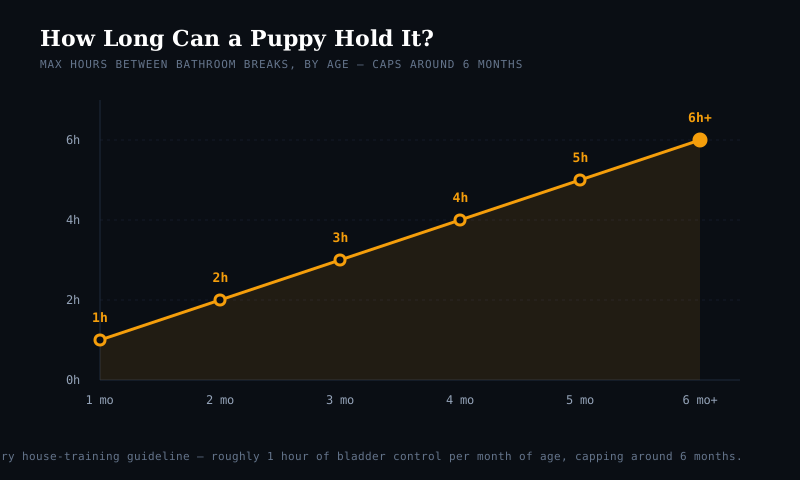
Embed this graphic
Reward the elimination itself, outdoors, within a few seconds, not the walk back inside. A puppy that gets praised only once back in the house doesn't connect the reward to the actual behavior that earned it. Supervise indoors closely during the training window, using a leash tethered to you if needed, so you can catch and redirect the early signs of needing to go (circling, sniffing, heading toward a door) before an accident happens, rather than after.
Accidents are a supervision gap, not a training failure to punish. Punishing a puppy after the fact, once you've found the mess, teaches fear of you finding messes, not where to eliminate, since the puppy can't connect a delayed punishment to an action from minutes earlier.
Crate Training Without the Stress
Introduce the crate as a place good things happen, not a punishment location. Feed meals in the crate with the door open at first, toss treats inside throughout the day, and let the dog explore it at their own pace before ever closing the door. Close the door for short periods while you're in the room, gradually extending duration and distance, well before attempting a full night or a longer absence.
A crate that's introduced correctly becomes a dog's own choice of resting spot within a few weeks in most cases. A crate introduced by forcing a resistant dog inside and walking away often produces distress vocalizing, escape attempts, and a lasting negative association that takes far longer to undo than the head start skipping the gradual introduction was supposed to save.
The 3-3-3 Rule (and Why the First Three Months Matter)
The 3-3-3 rule is shorthand many trainers and shelters use to set realistic expectations for a newly adopted dog: roughly 3 days to decompress and start feeling safe, 3 weeks to learn the household routine, and 3 months to feel fully settled and show their real personality. It's a rule of thumb, not a guarantee, but it explains why a dog that seems anxious or shut-down in week one is often a completely different animal by month three, and why training progress in that first stretch is often slower than owners expect.
Reactive Dog Training: Managing Leash Reactivity
Leash reactivity, barking, lunging, or growling at other dogs or people while on leash, is usually driven by frustration or fear rather than genuine aggression, and it responds to a specific protocol rather than general obedience work. The core technique is counter-conditioning: pairing the sight of the trigger, at a distance where the dog notices it but doesn't yet react, with high value food, building an association that the trigger predicts good things rather than a threat to react to.
The distance matters more than the technique. Working too close, at a distance where the dog is already reacting, doesn't give the counter-conditioning a chance to work; it just rehearses the reaction. Find the distance where the dog can see the trigger and still take treats calmly, work there consistently, and only close the distance gradually over multiple sessions, not within one walk.
Aggressive Behavior: When to DIY vs. Call a Professional
Mild guarding of a specific object, or startle-reactivity to a specific, identifiable trigger, is often manageable with consistent management and the counter-conditioning approach above. Genuine aggression, actual bites, bite attempts, or aggression with no clear identifiable trigger, is a different category and warrants bringing in a certified professional, specifically a veterinary behaviorist or a certified applied animal behaviorist, rather than working from general guidance.
A vet visit is worth ruling out first in either case: pain, thyroid imbalance, and several other medical conditions can present as sudden aggression that looks purely behavioral but has a physical cause a training protocol alone won't fix. Professional behavioral treatment isn't cheap, and it's worth knowing in advance whether your coverage treats it as a medical or a training expense, since providers differ on that distinction.
Separation Anxiety Training
True separation anxiety, distinct from ordinary boredom-related destruction, shows up specifically around departures: pacing, drooling, vocalizing, or destructive behavior concentrated in the first 30 minutes after you leave, not spread evenly across the day. The standard treatment is systematic desensitization to the departure cues themselves (picking up keys, putting on shoes) separated from actual departure, followed by very short absences, seconds at first, gradually extended only as the dog shows they can handle the current duration calmly.
Rushing the duration is the most common way owners set this back: jumping from a two-minute absence to a two-hour one because the two-minute version went fine undoes the gradual trust-building the protocol depends on. Moderate to severe cases benefit from working with a certified separation-anxiety trainer, since the desensitization schedule needs to be tuned to the individual dog's threshold, not a generic timeline.
Common Training Mistakes That Undo Your Progress
- Inconsistent household rules. If one person allows a behavior another corrects, the dog can't reliably learn either rule.
- Rewarding too late. A reward delivered several seconds after the behavior reinforces whatever the dog is doing at that later moment, not the original behavior.
- Training only in one location. A dog that's reliable in a quiet living room often isn't reliable at the park until the behavior is practiced in progressively more distracting environments.
- Punishing after the fact. Delayed punishment for accidents or destruction doesn't connect to the original behavior in the dog's mind, and mainly teaches the dog to be wary of you.
- Skipping the food-motivation basics. A dog that's already full or uninterested in the treats being used will be far less responsive; training sessions work best a little before a meal, using something the dog finds genuinely rewarding. See our dog food guide for how ingredient quality and feeding schedule can affect a dog's food motivation during sessions.
Conclusion: Consistency Beats Any Single Technique
Every protocol in this guide, from a basic sit to a separation-anxiety desensitization schedule, runs on the same underlying mechanism: consistent, well-timed consequences for behavior. Pick the specific techniques that match your dog's actual issue, whether that's a puppy learning where to eliminate or an adult dog working through leash reactivity, and give the process the weeks it actually needs rather than judging it after a handful of sessions.
Frequently Asked Questions
How do I train a dog?
Use positive reinforcement: reward the behavior you want immediately and consistently, so it strengthens, and avoid rewarding behavior you don't want. Timing and household consistency matter more than any single technique.
How do I train a puppy?
Start with potty training on a schedule matched to their age (roughly one hour of bladder control per month of age until six months), basic commands using food rewards, and gentle crate introduction well before you need to leave them alone in it.
How do I train my dog to behave?
Identify the specific unwanted behavior and what it's currently earning the dog (attention, food, access to something). Remove that payoff, and reward an alternative behavior instead. Vague "behave better" goals train more slowly than specific, targeted ones.
What is the best way to train a pet?
Positive reinforcement with a marker or clicker for precise timing, applied consistently across everyone in the household, is the most broadly effective approach across breeds and ages.
How long does it take to train a dog?
Basic commands are often reliable within a few weeks of short, consistent sessions. Behavior issues like reactivity or separation anxiety typically take months of gradual, staged work, not weeks.
What is the 3-3-3 rule for dogs?
A rule of thumb for newly adopted dogs: roughly 3 days to decompress, 3 weeks to learn the household routine, and 3 months to feel fully settled. It's a general guide, not a guarantee, for any individual dog.
What is the 7-7-7 rule for dogs?
A less standardized variant of the same idea used by some trainers, extending the timeline to roughly 7 days, 7 weeks, and 7 months for dogs that need a longer adjustment period, particularly older or previously neglected dogs.
How do I potty train a dog?
Take the puppy out on a schedule matched to their age, immediately after waking, eating, and play. Reward elimination outdoors within seconds, and supervise closely indoors to catch and redirect early signs rather than clean up after accidents.
How do I crate train a dog?
Introduce the crate gradually as a positive space, feeding meals inside with the door open before ever closing it, and extend duration slowly. Forcing a resistant dog inside tends to create a lasting negative association.
How do I train a reactive dog?
Use counter-conditioning at a distance where your dog notices the trigger without reacting, pairing it with high-value food. Close that distance gradually over multiple sessions rather than pushing too close too soon.
How do I stop aggressive behavior in dogs?
Rule out a medical cause with a vet first, since pain and certain conditions can present as sudden aggression. For genuine aggression involving bites or bite attempts, work with a certified veterinary behaviorist rather than general training advice.
How do I treat separation anxiety in dogs?
Desensitize departure cues separately from actual departures, then build up absence duration in very small increments, only extending once the current duration is calm. Moderate to severe cases benefit from a certified separation-anxiety trainer.
What are the most important things to teach a puppy?
Potty training, basic handling and crate comfort, a reliable recall, and positive early exposure to a range of people, sounds, and environments during the critical socialization window, roughly up to 16 weeks.
What are the five golden rules of dog training?
Different trainers phrase this differently, but the consistent themes are: reward timing matters, consistency across the household matters, punishment after the fact doesn't work, training in varied environments generalizes better, and short frequent sessions beat long infrequent ones.
Why does my dog only listen at home and not outside?
Behaviors trained only in one low-distraction environment often don't generalize automatically. Practice commands progressively in more distracting settings, starting close to home and working outward, rather than assuming a behavior "should" transfer on its own.